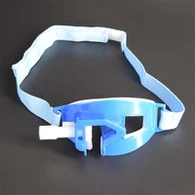
CVC Catheter Fixation Device
Function
Maintain proper positioning: The CVC (Central Venous Catheter) catheter fixation device is mainly used to firmly fix the CVC in place within the central venous system. It prevents the catheter from moving, dislodging, or migrating during the patient's activities or medical treatments. By keeping the catheter in the correct position, it ensures the continuous and effective delivery of medications, fluids, or nutrition, as well as the proper collection of blood samples when necessary.
Reduce risks of complications: Stable fixation of the CVC helps to minimize the risks associated with catheter displacement. These risks include accidental disconnection of the catheter, which can lead to bleeding, air embolism, or infection. Additionally, it reduces the mechanical stress on the catheter and the surrounding blood vessels, preventing damage to the vessel walls and reducing the likelihood of thrombophlebitis or other vascular complications.
Types
Sutureless fixation devices: These are popular due to their convenience and reduced risk of infection compared to suturing. They often consist of adhesive pads or disks with special designs. Some have grooves or channels to hold the catheter securely, while others use a combination of adhesive and mechanical locking mechanisms. These devices can be easily applied to the skin around the catheter insertion site, providing a stable hold without the need for sutures. However, they may not be suitable for all patients, especially those with very sensitive skin or those who are prone to sweating, as the adhesive may lose its effectiveness over time.
Suture-based fixation: This traditional method involves using sutures to attach the catheter hub to the skin at the insertion site. Sutures provide a very secure fixation, especially for long-term CVC placements. However, it requires a certain level of skill to perform the suturing procedure correctly, and there is a risk of infection at the suture sites. Additionally, the removal of sutures can be uncomfortable for the patient and may leave small scars.
Clip or clamp fixation devices: Some fixation devices are designed in the form of clips or clamps that can be attached to the catheter and the surrounding skin or clothing. These devices offer a quick and easy way to fix the catheter, and they can be adjusted or removed relatively easily. They are often used in situations where a more temporary or adjustable fixation is required, such as during short-term CVC use or in patients who need frequent access to the catheter.
Usage Method
Preparation: Before using the CVC catheter fixation device, ensure that the CVC has been properly inserted and its position has been verified through appropriate imaging techniques (such as X-ray). Clean and disinfect the skin around the catheter insertion site thoroughly, and allow it to dry completely. Select the appropriate fixation device according to the patient's condition, the type of CVC, and the duration of catheter placement.
Fixation operation:
Sutureless fixation: Peel off the backing of the adhesive fixation device and carefully position it over the catheter insertion site, aligning the catheter with the designated slots or channels. Press firmly to ensure good adhesion between the device and the skin. Check that the catheter is held securely and that there is no tension or kinking in the catheter.
Suture-based fixation: Using sterile sutures and a needle, carefully pass the suture through the pre-drilled holes in the catheter hub and then through the skin at the insertion site. Tie the sutures tightly but not too tightly to avoid causing excessive pressure on the skin or the catheter. Trim the excess suture material and cover the suture sites with a sterile dressing.
Clip or clamp fixation: Place the clip or clamp around the catheter at an appropriate position near the insertion site. Attach the other part of the clip or clamp to the skin (using adhesive or other attachment methods) or to the patient's clothing. Adjust the tightness of the clip or clamp to ensure that the catheter is held firmly in place without restricting blood flow or causing discomfort.
Inspection and adjustment: After fixing the CVC, check the position of the catheter and the fixation device regularly. Monitor the patient for any signs of discomfort, pain, or complications such as redness, swelling, or discharge at the insertion site. If necessary, adjust the fixation device to maintain proper catheter positioning and to ensure the patient's comfort.
Precautions
Skin care: Regularly check the skin under the fixation device for signs of irritation, allergic reactions, or pressure sores. Keep the skin clean and dry, and if any skin problems are detected, consider changing the type of fixation device or adjusting the fixation method. For patients with sensitive skin, special skin protectants or alternative fixation methods may be required.
Device integrity: Periodically inspect the fixation device for any signs of damage, loosening, or malfunction. If the adhesive loses its stickiness, the sutures come loose, or the clip or clamp is damaged, replace the device immediately to prevent the CVC from dislodging.
Catheter function: Continuously monitor the function of the CVC, including the flow of fluids, medications, or blood. Any changes in the catheter's function may indicate a problem with the fixation device or the catheter's position, and appropriate measures should be taken promptly to address the issue.
Infection prevention: Follow strict aseptic techniques during the application and maintenance of the CVC fixation device. Change the dressing regularly according to the hospital's protocol, and monitor the insertion site for any signs of infection. If an infection is suspected, remove the CVC and the fixation device immediately and initiate appropriate treatment.
Hot Tags: a0309f type picc and cvc catheter fixation device, China a0309f type picc and cvc catheter fixation device manufacturers, suppliers, factory, Dialysis Transducer Protector, hemodialysis catheter, Dialysate Fluid, dialysis concentrate, syringe, Fx800 Dialyzer