


Transparent Medical Dressing
 |
Transparent medical dressing is a kind of transparent medical material that allows the wound to be clearly visible and at the same time plays a role in protecting the wound and preventing infection. |
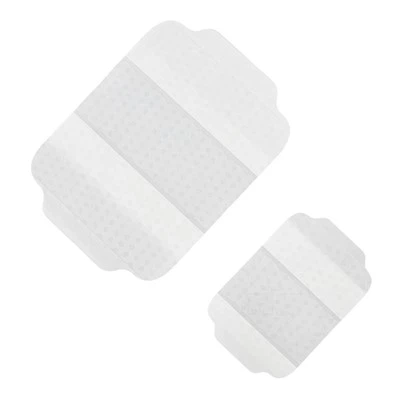

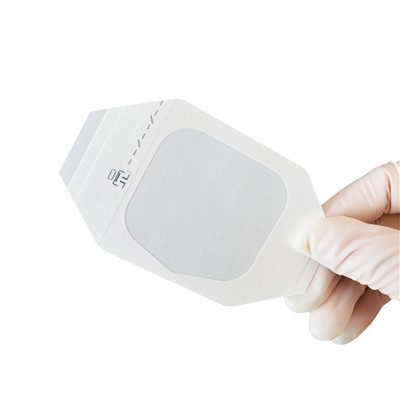
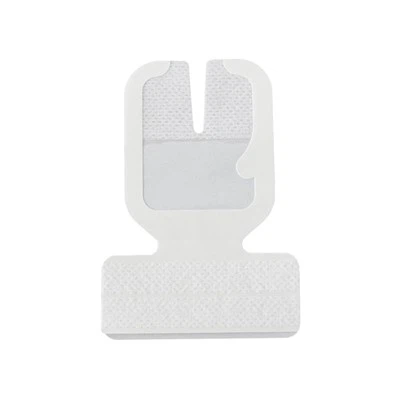
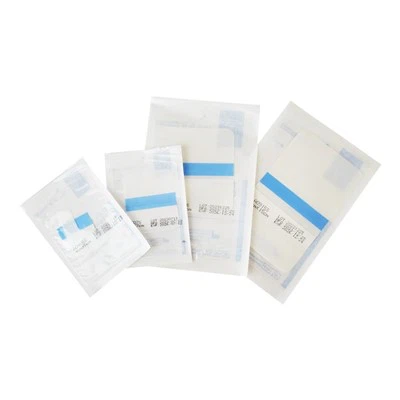
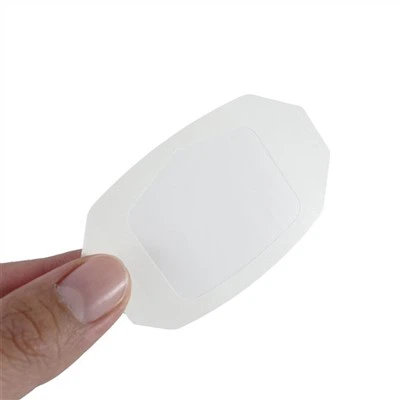
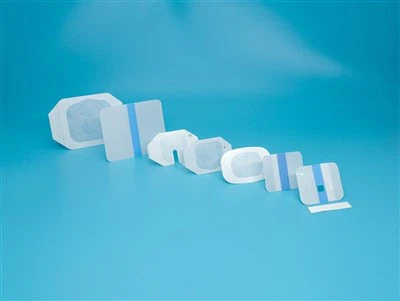
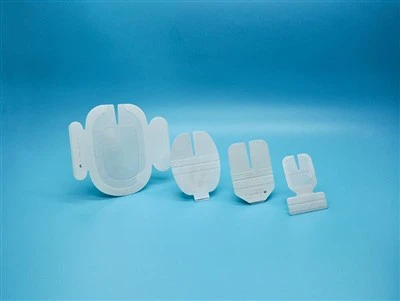
"Transparent medical dressing" is introduced in detail as follows:
Materials and Structure
Materials: It is usually made of transparent polymer elastomer materials, such as polyurethane, polyethylene, polypropylene, polylactic acid, etc. Among them, polyurethane materials are more widely used because of their advantages like softness, transparency, good elasticity and excellent air permeability.
Structure: Generally, a pressure-sensitive adhesive is coated on one side of an ordinary medical film to form a sticky side that can be attached to the skin surface. Some also add structures like borders and gel pads to the dressing to enhance its functions and convenience of use.
Features and Advantages
Transparency and Visibility: It enables medical staff and patients to directly observe the healing condition of the wound, such as the degree of redness and swelling, the situation of bleeding and exudation, the growth of granulation tissue, etc., which is convenient for timely problem detection and adjustment of the treatment plan.
Waterproof Performance: It can effectively prevent external moisture, bacteria and other pollutants from entering the wound, creating a relatively clean and dry environment for wound healing. At the same time, it allows patients to carry out normal cleaning activities during the period of wearing the dressing, such as taking a bath or shower.
Good Air Permeability: It has a special microporous structure that allows oxygen to enter the wound and carbon dioxide to be discharged, maintaining the gas exchange at the wound site, which helps to reduce the risk of infection and promote wound healing.
Flexibility and Conformability: It has a soft and flexible texture and can fit well with the contours of different parts of the body, especially at joints, protruding bones and other parts. It will not cause the dressing to fall off or shift due to body movements, providing continuous and stable protection for the wound.
Low Allergenicity: The materials and adhesives used usually have low allergenicity and little irritation to the skin, which is suitable for most patients, especially those with sensitive skin.
Appropriate Adhesiveness: The adhesiveness is persistent and stable, and it can firmly adhere to the skin. However, it will not cause damage or pain to the skin when removed, reducing the pain and discomfort of patients during dressing change.
Functions and Applications
Wound Protection: It can be used to cover various superficial wounds, such as surgical incisions, abrasions, cuts, burns, scalds, skin ulcers, etc., to prevent the wound from being invaded by external bacteria, dust and other pollutants and reduce the chance of infection.
Catheter Fixation: It is often used to fix medical devices such as intravenous infusion catheters, central venous catheters, urinary catheters, etc., to ensure the stable position of the catheter, prevent displacement or falling off, and at the same time, it is convenient to observe the condition of the puncture site and detect any abnormalities such as redness, swelling and exudation in time.
Prevention and Nursing of Pressure Ulcers: For patients who are bedridden for a long time or use a wheelchair, it can be used to prevent the occurrence of pressure ulcers. Applying the transparent dressing to the easily compressed parts, such as the sacrococcygeal region, heels, elbows, etc., can reduce the friction between the skin and the bed surface or seat and improve the local microenvironment. For the already formed pressure ulcers, it can also provide a moist and clean healing environment to promote wound repair.
Promoting Healing: The moist environment created is conducive to the migration and proliferation of epithelial cells at the wound site, accelerating the wound healing process. It can also promote the dissolution of necrotic tissue and fibrin, which is beneficial for wound debridement.
Usage Methods and Precautions
Usage Method: First, clean your hands and the skin around the wound to ensure that the wound area is dry and free of foreign objects. Then, carefully remove the backing paper of the transparent dressing, align the center of the dressing with the wound, and gently press the edge of the dressing to make it closely adhere to the skin. Pay attention to removing the air between the dressing and the skin to avoid air bubbles or wrinkles.
Precautions: Select a transparent dressing of appropriate size and shape according to the size, shape and type of the wound. During the use process, regularly observe the condition of the wound and the sticking state of the dressing. If you find that the dressing is loose, curled, the exudate increases, the redness and pain of the wound intensify or there is an odor and other abnormal conditions, change the dressing in time. For wounds with severe infection and a large amount of exudate, transparent dressings are not suitable, so as not to affect the drainage and healing of the wound.
We're well-known as one of the leading transparent medical dressing manufacturers and suppliers in China. If you're going to wholesale high quality transparent medical dressing, welcome to get more information from our factory. Also, custom service is available.