


Catheter Fixation Device
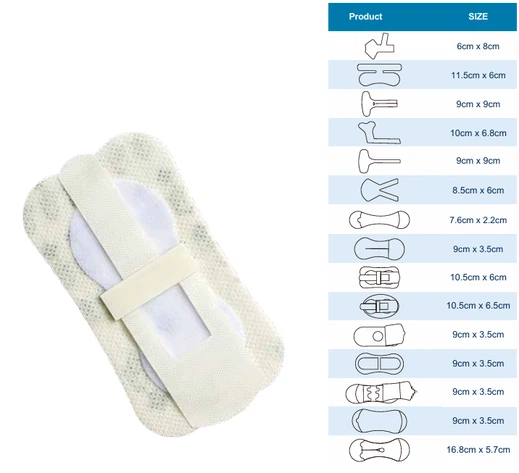
Product Description:Catheter Fixation Device is a catheter stabilization device that is strong enough to lock catheters securely in place, yet versatile enough for almost every patient. lt is applied in the same simple manner as a bandage and can be easily placed on skin with gloved hands. Catheter Fixation Device provides a foam die-cut insert that matches the shape of the catheter tube for proper positioning and additional secure stability.
Product Features:Soft and flexible fabric design improves patient comfort.
Provides superior securement for both horizontal and vertical lifting accidental line pulls.Simple to apply, inspect and adjust lines, tubes and catheters.
Hypoallergenic, breathable and latex-free to reduce the risk of allergic reactions and skin irritation.
Applications:Special for requirements of all lines and needle seat
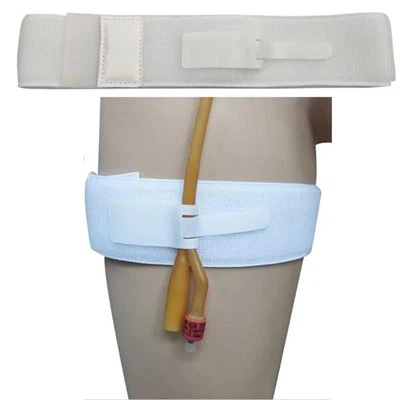
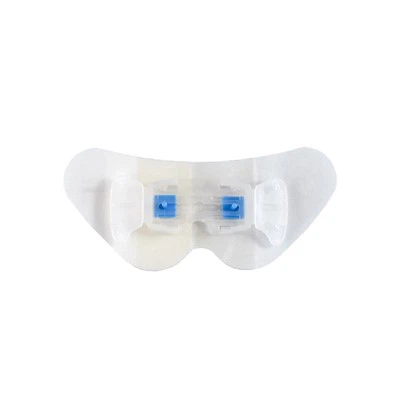
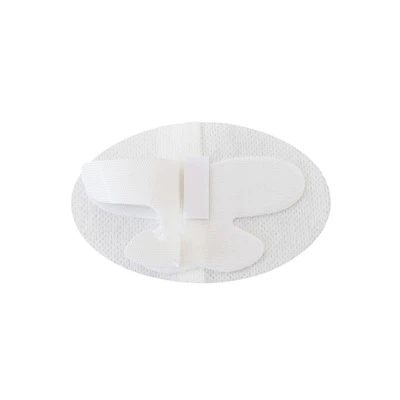
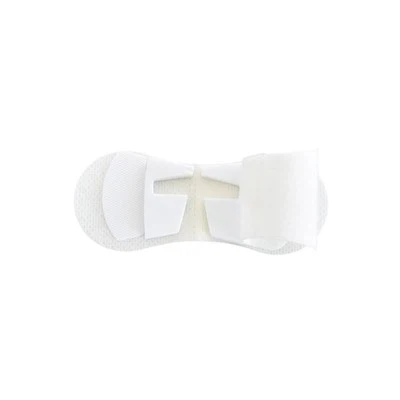

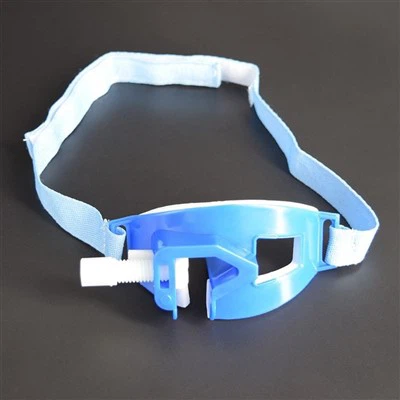
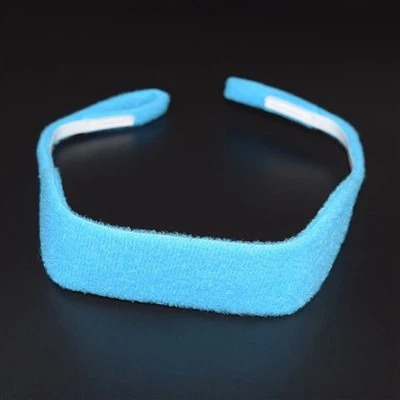
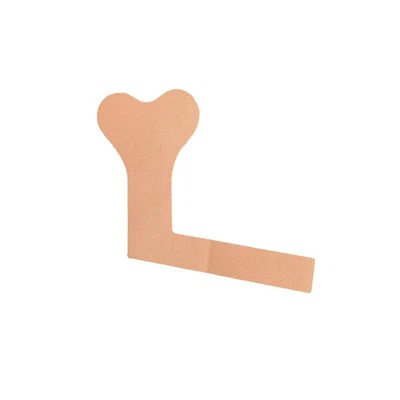
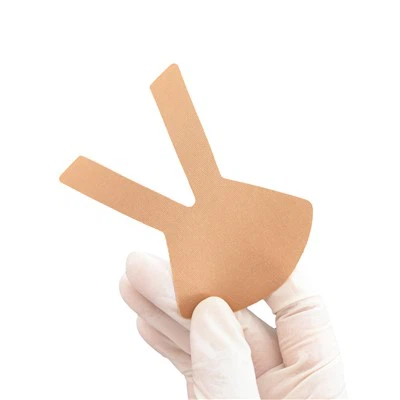
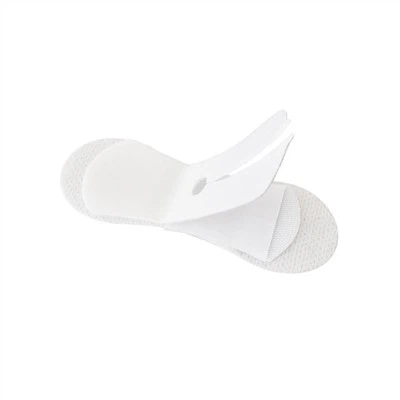
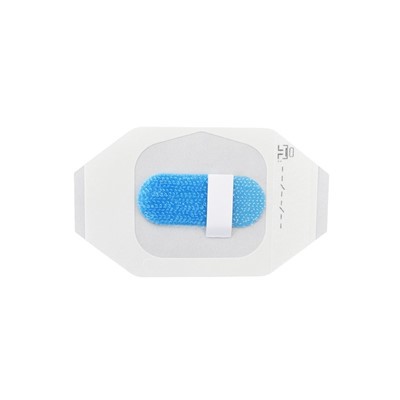

A Catheter Fixation Device is a medical apparatus used to fix various catheters (such as urinary catheters, central venous catheters, nasogastric tubes, etc.) to a patient's body, ensuring that the catheters remain in the correct position and preventing displacement, detachment, or accidental removal. The following are its common types and characteristics:
Tape Fixation Devices
Ordinary Medical Tape: This is one of the most commonly used methods for catheter fixation. It is made of adhesive medical tape. When in use, the tape is directly pasted onto the patient's skin to surround and fix the catheter. Its advantages include convenience and low cost, making it suitable for fixing various types of catheters. However, its adhesiveness may be affected by factors such as sweating and oil secretion on the skin, resulting in poor fixation. Frequent replacement may also irritate the skin.
Transparent Dressing Tape: Usually made of transparent materials such as polyurethane, it has good air permeability and waterproofness, allowing the skin to "breathe" while preventing moisture and bacteria from penetrating. There is an opening in the center of the dressing through which the catheter can be passed and fixed, facilitating the observation of the skin at the puncture site. It is often used for the fixation of central venous catheters and peripheral venous indwelling needles, which can effectively reduce the risk of infection. Moreover, its transparent appearance enables medical staff to check at any time whether there is any redness, exudation, or other abnormalities in the skin around the catheter.
Fixing Clip Devices
Plastic Fixing Clips: Generally made of plastic, they come in different shapes and specifications, and appropriate ones can be selected according to the thickness and type of the catheter. The fixing clips fix the catheter by clamping. One end can be fixed to the patient's clothing or bedsheet, or it can be fixed to the skin by pasting. They are often used for the fixation of urinary catheters, drainage tubes, etc., which can effectively prevent the catheter from shifting due to the patient's movement. They are also easy to disassemble, facilitating catheter replacement or nursing operations.
Metal Fixing Clips: They have high strength and stability and are suitable for some catheters that need to bear large tensile forces or require more secure fixation, such as chest closed drainage tubes. Metal fixing clips usually have a locking device to ensure that the catheter is tightly fixed and not easy to loosen. However, the metal material may cause some discomfort to the patient, and care should be taken to prevent skin pinching during use.
Fixing Strap Devices
Elastic Fixing Straps: Mostly made of elastic materials such as nylon and spandex, they have good elasticity and comfort and can be adjusted according to the size and shape of the patient's body parts. The fixing straps are usually equipped with Velcro or buckles for easy wearing and tightness adjustment. They are often used to fix nasogastric tubes, endotracheal intubation tubes, etc., which can reduce skin pressure on the patient while ensuring the fixation effect and improve the patient's comfort.
Cotton Fixing Straps: Made of soft cotton material, they have good air permeability and little irritation to the skin. Cotton fixing straps are generally wide and can distribute pressure to reduce local skin pressure. They are suitable for patients with long-term indwelling catheters, especially those with sensitive skin, and can effectively prevent skin damage and pressure sores.
Other New-Type Fixing Devices
Silicone Fixators: Made of silicone material, they are soft and have good skin compatibility, which can effectively reduce friction and irritation to the skin. Silicone fixators usually have a special design and can be customized for fixation according to the shape and position of the catheter to improve the stability and accuracy of fixation. They are often used for the fixation of catheters in some special parts, such as percutaneous endoscopic gastrostomy tubes.
Bio-Glue Fixing Devices: They use biocompatible glue to bond and fix the catheter to the skin, which has good adhesiveness and biosafety and can achieve firm fixation without damaging the skin. Bio-glue fixing devices are suitable for patients who have poor tolerance to traditional fixation methods, such as children, the elderly, or patients with fragile skin. However, when using bio-glue, attention should be paid to allergic reactions and other issues, and skin allergy tests should be carried out before use.
We're well-known as one of the leading catheter fixation device manufacturers and suppliers in China. If you're going to wholesale high quality catheter fixation device, welcome to get more information from our factory. Also, custom service is available.
Permanent Catheter for Dialysis Duration, Femoral Catheter for Hemodialysis, Jugular Vein Dialysis Catheter